一篇在2017年由哥倫比亞大學、哈佛大學與喬治城大學共同發表在頂尖學術期刊Journal of Consumer Research的論文中提到,社群媒體興起之後社會出現了一種奇怪的現象,就是人們會以抱怨的口吻去炫耀自己現在的成功(Bellezza et al., 2017)。
「謙虛炫耀」是透過抱怨自己工作時間長、缺乏休閒時間,用自嘲的方式炫耀忙碌,來彰顯自己的稀缺價值。
Bellezza, S., Paharia, N., & Keinan, A. (2017). Conspicuous consumption of time: When busyness and lack of leisure time become a status symbol. Journal of Consumer Research, 44(1), 118–138. https://doi.org/10.1093/jcr/ucw076
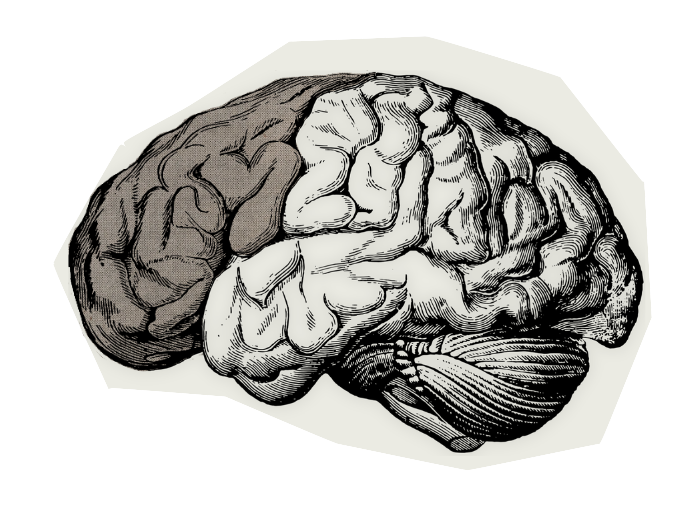
前額葉皮質其實是一個相當矛盾的存在,他負責做長遠的規劃與目標設定(計畫者),但是同時也負責感受當下的痛苦(執行者)(Bryan et al., 2010)。
…a function that accurately represented human behavior would overvalue current consumption (Bryan et al., 2010, p. 675).
來自倫敦政治經濟學院的Gharad Bryan和同事們在2010年的一份研究中提到,人類大腦會過度放大「當下」的痛苦與快樂,而低估「未來」的代價,所以對於未來的成本評估會被嚴重低估,原本大腦以為這件事會很爽,但是結果去不盡人意,這是為何年初或是早晨的人們都會充滿了雄心壯志做了一堆計劃,結果年中或是下午就已經精疲力竭無法繼續執行下去(Bryan et al., 2010)。
任教於UCLA的Hal E. Hershfield教授在他2011年的論文裡面提到,根據神經影像研究顯示人類實際上對自己很「冷血」,一但想像到未來的自己(10年或是20年後的自己),前額葉皮質激活反應居然跟思考一個「陌生人」一樣,在腦袋裡現在的你根本不把未來的你看成是自己(Hershfield, 2011)。所以在這種自己都不當自己看的思維中,你的前額葉就不會把保護「他/她」免於過勞這件事加入進去思考,會讓現在的你去透支與竊取未來自己的健康,這也恰巧重新論證了他在2009的自己的論文裡體到的概念(Ersner-Hershfield et al., 2009)。
Bellezza, S., Paharia, N., & Keinan, A. (2017). Conspicuous consumption of time: When busyness and lack of leisure time become a status symbol. Journal of Consumer Research, 44(1), 118–138. https://doi.org/10.1093/jcr/ucw076
Ersner-Hershfield, H., Wimmer, G. E., & Knutson, B. (2009). Saving for the future self: Neural measures of future self-continuity predict temporal discounting. Social Cognitive and Affective Neuroscience, 4(1), 85–92. https://doi.org/10.1093/scan/nsn042
Hershfield, H. E. (2011). Future self-continuity: How conceptions of the future self transform intertemporal choice. Annals of the New York Academy of Sciences, 1235, 30–43. https://doi.org/10.1111/j.1749-6632.2011.06201.x
Price, D. (2021). Laziness does not exist. Atria Books.
Schultz, W. (2016). Dopamine reward prediction error coding. Dialogues in Clinical Neuroscience, 18(1), 23-32. (Note: Originally published 2016, date as per source material).
Smidt, A. H. (2026). Commensuration as moral image: Liberal modernity’s equivalence machine. Distinktion: Journal of Social Theory, 27(1). https://doi.org/10.1080/1600910X.2026.2665385
Thompson, E. P. (1967). Time, work-discipline, and industrial capitalism. Past & Present, (38), 56–97.
Youvan, D. C. (2026). Dopamine and devotion: Neurobiological reward circuits, religious experience, and the discernment problem in Evangelical Christianity. http://www.youvan.ai






發佈留言